VisitBHV
New to Bremerhaven
Welcome to the Maritime City: Your First Steps in Bremerhaven
Moving to Bremerhaven, the largest city on the German North Sea coast, is an exciting transition. Whether relocating for work, studying, or seeking a fresh start by the sea, settling into a new city requires a solid plan. As a newcomer, your top priorities involve navigating administrative duties, finding the right neighborhood, and understanding the transportation network. This guide outlines everything you need to make your arrival as smooth and stress-free as possible.
Essential Administrative Tasks for New Residents
Before enjoying the maritime atmosphere, you must manage mandatory administrative tasks. In Germany, every resident must officially register their residential address, a process known as the Anmeldung. You must complete this within your first fourteen days of moving.
To register, book an appointment at the local Bürgerbüro, the central citizen service office. Bring your valid passport or national identification card, along with the Wohnungsgeberbestätigung, a formal landlord confirmation document proving you secured housing. After registering, you will receive a Meldebescheinigung. This crucial certificate is required for opening a German bank account, securing internet services, and finalizing your health insurance.
When setting up your basic household utilities, the local provider SWB is the most common choice for electricity, water, and heating services in the region. Most rental contracts do not include these costs in the base cold rent, so it is important to activate these utility accounts promptly to avoid service interruptions.
Finding Your Way Around Bremerhaven Neighborhoods
Choosing the right place to live greatly influences your daily experience. The city is divided into several distinct districts, each offering a unique atmosphere and lifestyle advantages.
Mitte
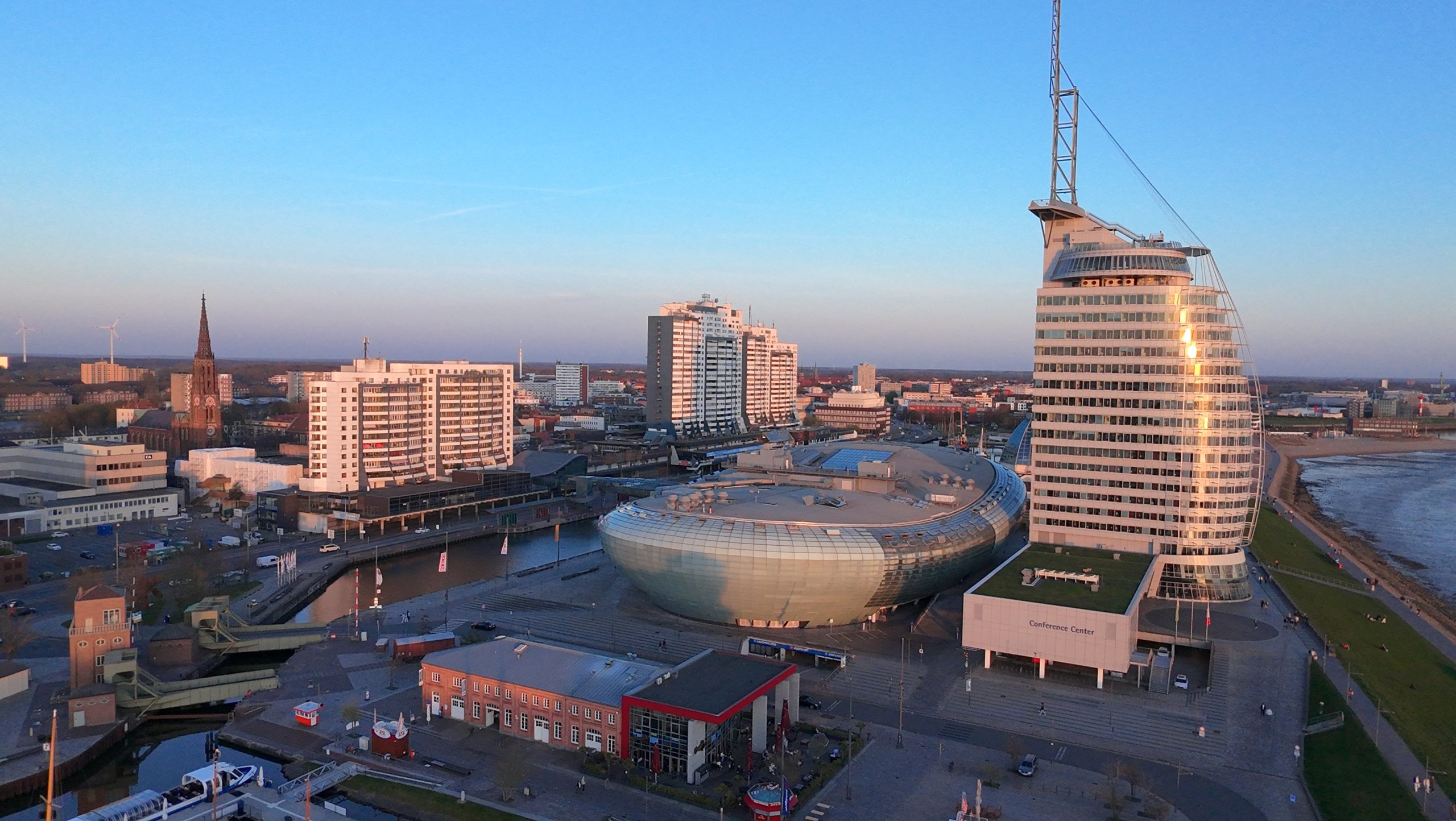
Mitte serves as the bustling commercial and cultural heart. It offers immediate access to the Havenwelten, modern shopping centers, and waterfront dining. It is ideal for young professionals seeking convenience.
Geestemünde
Known for beautiful parks and proximity to the main railway station, Geestemünde is highly favored by families. The district provides excellent local schools and a vibrant weekly farmers market.
Lehe
Lehe represents the historical and creative hub. Featuring stunning historic architecture and affordable rent prices, it remains popular among university students and local artists.
Wulsdorf
Located in the southern part of the city, Wulsdorf provides a quieter suburban environment. It boasts charming streets and straightforward access to commercial zones and highways.
Transportation: Getting Around the City
Bremerhaven boasts a highly efficient public transportation network managed by Bremerhaven Bus, operating under the VBN regional network. For daily commuting, the bus system covers major districts and residential areas reliably.
If you need to travel beyond the city limits, the central station offers regular regional train services directly to Bremen, taking about forty-five minutes. From there, connect to the national train network for long-distance travel.
Additionally, the city is highly accommodating to cyclists. The flat coastal terrain and expanding network of dedicated bicycle lanes make cycling a fantastic, environmentally friendly option for daily errands.
Lifestyle and Leisure in the Havenwelten
One of the greatest benefits of relocating here is the immediate access to world-class maritime attractions and waterfront leisure areas. The modern Havenwelten district serves as the primary recreational zone, featuring striking architecture and internationally renowned museums.
Whether you want to explore the history of global migration or experience Earth’s diverse climate zones, there is always something entertaining to do. Familiarizing yourself with these cultural landmarks will help you quickly feel at home.
Frequently Asked Questions
- Is Bremerhaven an expensive city to live in? Compared to major German cities, the cost of living here is quite affordable. Rental prices remain significantly lower than the national average, making it an attractive destination.
- Do I need to own a car? No, owning a personal vehicle is not strictly necessary. The comprehensive bus system, excellent regional train connections, and extensive bicycle infrastructure make it perfectly feasible to live comfortably without one.
- Can I get by only speaking English? While many younger residents speak excellent English, learning basic German is highly recommended. Dealing with official municipal paperwork, reading contracts, and navigating daily interactions will be much easier if you understand the local langu.
Ready to Explore Your New Home?
Whether you are finalizing your paperwork or planning your first outing, VisitBHV is here to support your transition. Discover more local insights, community events, and comprehensive neighborhood guides today.
